


Nepal Trails

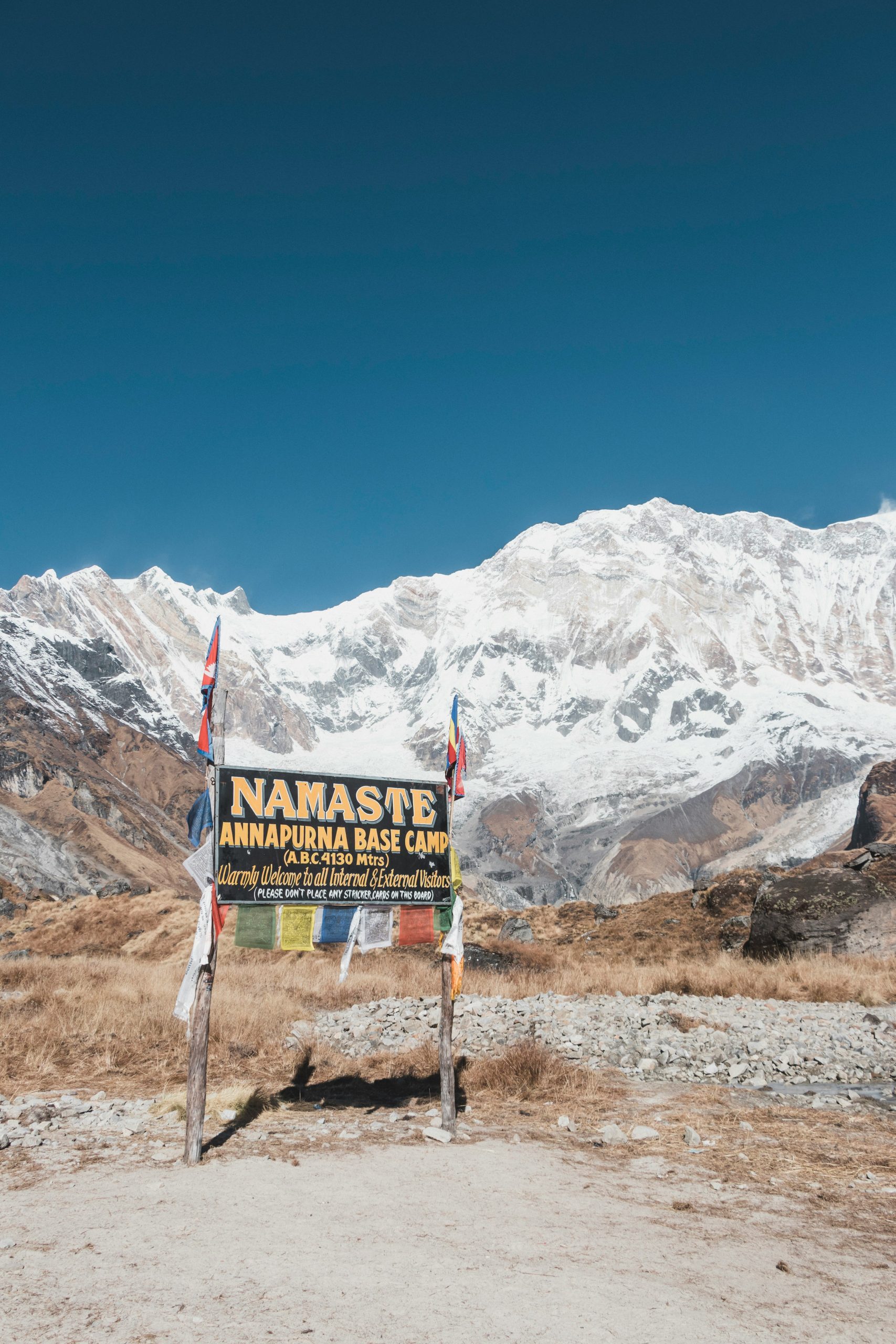
Annapurna Base Camp

  • Difficulty: Medium
  • Duration: 8-11 days
  • Altitude: 4130m
  • Best Season: Spring, Autumn

Food

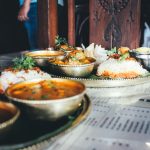
During the ABC trek, teahouses provide simple, fresh, and energy-rich meals for trekkers.

Breakfast- Common breakfast options include porridge, toast, pancakes, eggs, Tibetan bread, muesli, tea, and coffee. These meals provide energy for the day’s walk.


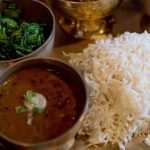
Lunch-Lunch is usually served at teahouses along the trail and includes dal bhat (rice, lentils, vegetables), fried rice, noodles, pasta, soup, momo, and chapati.

Dinner-Dinner is similar to lunch, with warm and filling meals such as dal bhat, noodle soup, pasta, potatoes, and seasonal vegetables. Hot drinks are also common in the evening.

Culture

The ABC region is rich in Gurung and Magar culture, two of the main ethnic groups living in the lower and mid-hills of the Annapurna area. Villages like Ghandruk and Chhomrong are great places to experience their traditional lifestyle, stone houses, and terraced farming.

Local Traditions

People follow a mix of Hinduism and Buddhism, which is reflected in daily life, rituals, and local festivals. Prayer flags, chortens, and small monasteries are commonly seen along the trail.

Festivals and Celebrations

Major festivals like Dashain, Tihar, and Losar are celebrated with music, dance, and family gatherings. These events give trekkers a chance to see authentic Himalayan culture.

Lifestyle

Most locals depend on farming, livestock, and tourism. Hospitality is an important part of their culture, and trekkers are warmly welcomed in teahouses.

Cultural Experience for Trekkers

Staying in local teahouses allows trekkers to experience traditional food, simple living, and close interaction with mountain communities.

Local People

The Annapurna Base Camp region is mainly home to the Gurung and Magar communities, along with some Brahmin, Chhetri, and other hill ethnic groups in the lower villages.

Gurung People

The Gurung community is one of the most prominent groups in villages like Ghandruk and Chhomrong. They are known for their hospitality, traditional stone houses, and strong connection to the Gurkha military history.

Magar People

Magar communities are also widely found in the lower Annapurna region. They have a rich cultural heritage, traditional music, and strong farming-based lifestyles.

Lifestyle

Most local people rely on farming, livestock, and tourism for their income. They grow crops on terraced fields and also run teahouses for trekkers.

Hospitality

The people in this region are very welcoming and friendly. Trekkers are often greeted with warm smiles, homemade meals, and simple but comfortable lodging.

Local Places

Pokhara

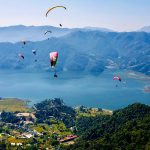
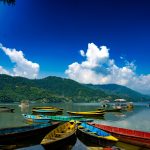
Pokhara is the main gateway to the Annapurna region. It is a relaxed lakeside city with views of the Annapurna range and a popular place to start and end the trek.

Ghandruk

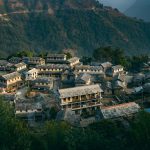
Ghandruk is a traditional Gurung village known for stone houses, mountain views, and cultural museums. It is one of the most scenic villages on the route.

Chhomrong

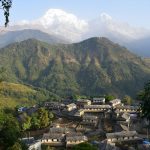
Chhomrong is a key stop and the gateway to the Annapurna Sanctuary. It offers great views of Annapurna South and Machhapuchhre.

Bamboo

Bamboo is a quiet forest settlement surrounded by dense rhododendron and bamboo forests. It is a peaceful resting point on the trail.

Deurali

Deurali is a high-altitude stop before the base camp area. It is surrounded by dramatic cliffs and alpine scenery.

Overview

The Annapurna Base Camp (ABC) trek is one of the most popular trekking routes in Nepal, offering a perfect combination of natural beauty, cultural experience, and moderate challenge.

The trail takes you through lush forests, traditional Gurung villages, and dramatic mountain landscapes, leading to the heart of the Annapurna Sanctuary. Surrounded by towering peaks such as Annapurna I and Machapuchare (Fishtail), the base camp provides an unforgettable Himalayan experience.

The trek usually begins from Nayapul, near Pokhara, and gradually ascends through villages like Chhomrong and Bamboo.

As you move higher, the landscape changes from dense forests to alpine terrain. The trail passes through Machapuchare Base Camp before reaching Annapurna Base Camp, where trekkers are rewarded with panoramic mountain views.

The return journey follows a similar path, often including a stop at Jhinu Danda, where natural hot springs provide a relaxing end to the trek.

Highlights

  • Stunning views of Annapurna I (8,091m)
  • Close-up views of Machapuchare (Fishtail Mountain)
  • Diverse landscapes: जंगल, rivers, हिमालय
  • Traditional Gurung culture and villages
  • Natural hot springs at Jhinu Danda

Hotels and Accommodation on the Annapurna Base Camp Trek

Accommodation on the Annapurna Base Camp (ABC) Trek is mainly in the form of teahouses and lodges, not luxury hotels. These are simple, family-run mountain guesthouses that provide a bed, meals, and a warm place to rest after trekking.

Most trekkers stay in villages such as Ghandruk, Chhomrong, Bamboo, Dovan, Deurali, Machhapuchhre Base Camp (MBC), and Annapurna Base Camp (ABC).

Types of Accommodation

1. Teahouses (Most Common)

Teahouses are the standard accommodation on the ABC route. They usually offer:

  • Twin-sharing rooms with simple beds
  • Foam mattress, pillow, and blanket
  • Shared bathroom and toilet
  • Common dining hall with stove heating
  • Basic charging and Wi-Fi (extra cost)

At lower altitudes, rooms may have attached bathrooms, but higher up, shared toilets are normal.

2. Lodges and Guesthouses

In larger villages like Chhomrong and Ghorepani, you can find better lodges with:

  • Hot showers
  • Attached bathrooms
  • Better food menus
  • More comfortable rooms
  • Stronger Wi-Fi connection

These are more comfortable than high-altitude teahouses and are good for rest before climbing higher.

Accommodation at a Higher Altitude

As you go higher toward MBC (3,700m) and ABC (4,130m), accommodation becomes much more basic:

  • Thin walls and colder rooms
  • Shared squat toilets
  • No room heating
  • Limited or no hot showers
  • Very basic food choices

Night temperatures at ABC can drop to -10°C to -15°C, so a warm sleeping bag is highly recommended.

Cost of Accommodation

Room prices are usually low because trekkers are expected to eat meals at the same lodge.

Approximate room cost per night:

  • Lower villages: NPR 250–600
  • Mid-altitude villages: NPR 500–800
  • MBC and ABC: NPR 500–700

Hot showers, charging, and Wi-Fi usually cost extra.

Best Place to Stay

Chhomrong is often considered the best stop for accommodation because it has:

  • Better quality lodges
  • Hot showers
  • Attached bathrooms
  • Comfortable dining halls
  • Beautiful mountain views

It is one of the most comfortable overnight stops before heading deeper into the sanctuary.